2026-10-03 ·
Winterizing Outdoor Faucets and Hose Bibs in Portland
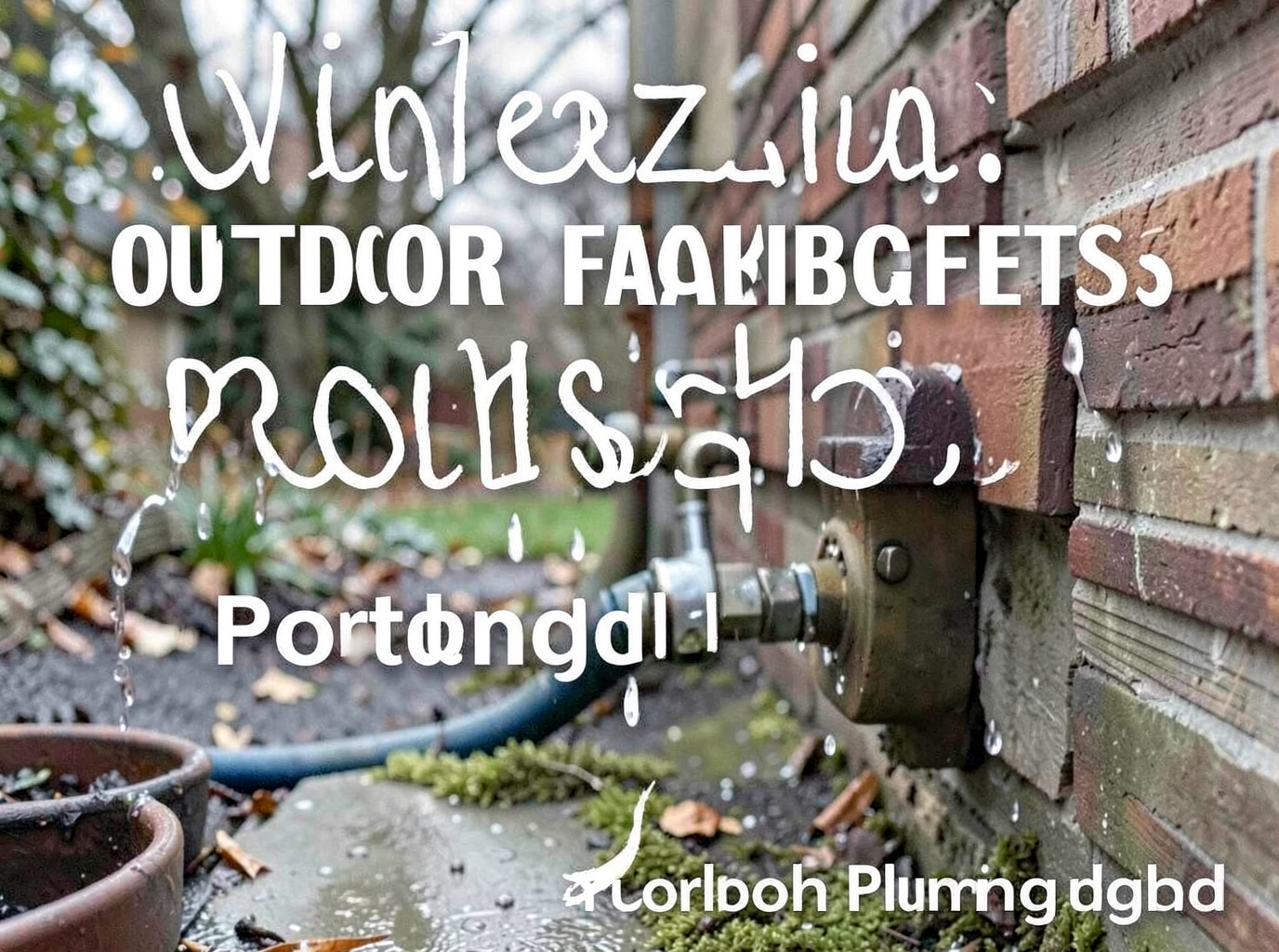
Winterizing your outdoor faucets and hose bibs in Portland is a critical, straightforward task that can prevent significant damage and expensive repairs. Even with Multnomah County's generally mild, wet winters, occasional cold snaps and freezing temperatures, especially overnight, can cause water in exposed pipes to freeze and expand, leading to a burst pipe. This can result in thousands of dollars in water damage to your home's foundation, walls, and landscaping. The good news is that most homeowners can complete this vital preparation in under an hour, saving themselves from the potential headache and expense of a <a href="/services/burst-pipe-repair">burst pipe repair</a> come spring.
Why Portland's Climate Demands Faucet Winterization
While Portland is known for its mild, wet winters, it's a misconception that we don't experience freezing temperatures. The reality is that we regularly see nights dip below 32°F, particularly from December through February. These fluctuating temperatures, where days might be cool but above freezing and nights drop significantly, are actually more dangerous for plumbing than consistently frigid weather. The constant thawing and refreezing cycles put immense stress on pipes. Homes in older neighborhoods like Laurelhurst, Irvington, or Sellwood-Moreland, with their charming but sometimes aging plumbing systems, are particularly vulnerable. Even newer homes, if not properly prepared, can suffer. Our warm, dry summers with occasional heat waves mean outdoor faucets see heavy use, but come autumn, they need attention before the winter rains and cold fronts arrive.
Identifying Your Outdoor Faucet Types
Before you begin winterizing, it's helpful to understand the different types of outdoor faucets you might have. The most common in Portland homes are standard hose bibs and frost-free hose bibs. A standard hose bib is essentially a valve that sits directly on the exterior wall, with the water supply line extending right up to it. These are highly susceptible to freezing because water remains in the spigot itself. A frost-free hose bib, on the other hand, has a much longer body, with the actual shut-off valve located several inches inside the heated portion of your home's wall, often 6-12 inches deep. This design allows water to drain out of the exposed portion of the spigot, making it much less likely to freeze. You can usually identify a frost-free spigot by its longer barrel extending from the wall and often a slightly larger base plate. Knowing which type you have will dictate some of the specific steps you need to take.
Essential Steps for Winterizing Standard Hose Bibs
For homes equipped with standard hose bibs, a more thorough approach is necessary to prevent freezing. First, disconnect all hoses from the spigot. Leaving a hose attached can trap water inside the faucet, preventing it from draining and making it highly susceptible to freezing. Next, locate the interior shut-off valve for each outdoor faucet. These are typically found in your basement, crawl space, or utility room, often near where the outdoor spigot is located on the exterior wall. Turn this valve completely off. Once the water supply is cut, open the outdoor faucet to allow any remaining water to drain out. This crucial step empties the pipe between the interior shut-off and the outdoor spigot. Finally, consider adding an insulating faucet cover over the outdoor spigot for an extra layer of protection against the cold. These simple covers, available at any hardware store, can make a big difference during a cold snap.
Winterizing Frost-Free Hose Bibs
Even with frost-free hose bibs, there are still important steps to take to ensure they remain functional and protected throughout the winter. The most critical step, as with standard bibs, is to disconnect all hoses and any attached watering devices. While the design of a frost-free faucet is intended to drain water from the exposed section, a hose left connected can create a vacuum, preventing proper drainage. This trapped water will then freeze and can damage the internal mechanism of the frost-free spigot, or worse, cause a <a href="/services/pipe-repair">pipe repair</a> issue further inside your wall. You do not typically need to turn off an interior shut-off valve for a frost-free spigot, as its design handles this internally. However, if you have an older or less reliable frost-free unit, or if an extreme cold snap is predicted, adding an insulating cover can provide an additional safeguard.
What to Do If You Forget or Suspect Freezing
Despite best intentions, sometimes winterization slips our minds, or an unexpected cold front hits harder than anticipated. If you suspect a frozen outdoor faucet, or worse, a frozen pipe, do not attempt to thaw it with a blowtorch or open flame. This is extremely dangerous and can lead to a fire or further damage to your plumbing system. Instead, if you see ice, you can try gently warming the area with a hairdryer on a low setting or wrapping the pipe in towels soaked in hot water. If you notice a significant drop in water pressure, visible cracks in pipes, or water stains on walls or ceilings, you likely have a burst pipe. In such cases, immediately shut off your home's main water supply valve and contact us for <a href="/services/emergency-plumbing">emergency plumbing services</a>. Acting quickly can minimize water damage and repair costs. For more information on preventing issues, you might find our article on <a href="/blog/maintaining-sump-pumps-before-portlands-wet-season">Maintaining Sump Pumps Before Portland's Wet Season</a> helpful, as water management is key in our climate.