2026-10-03 ·
Signs of Sewer Line Issues After Heavy Rainfall in Portland
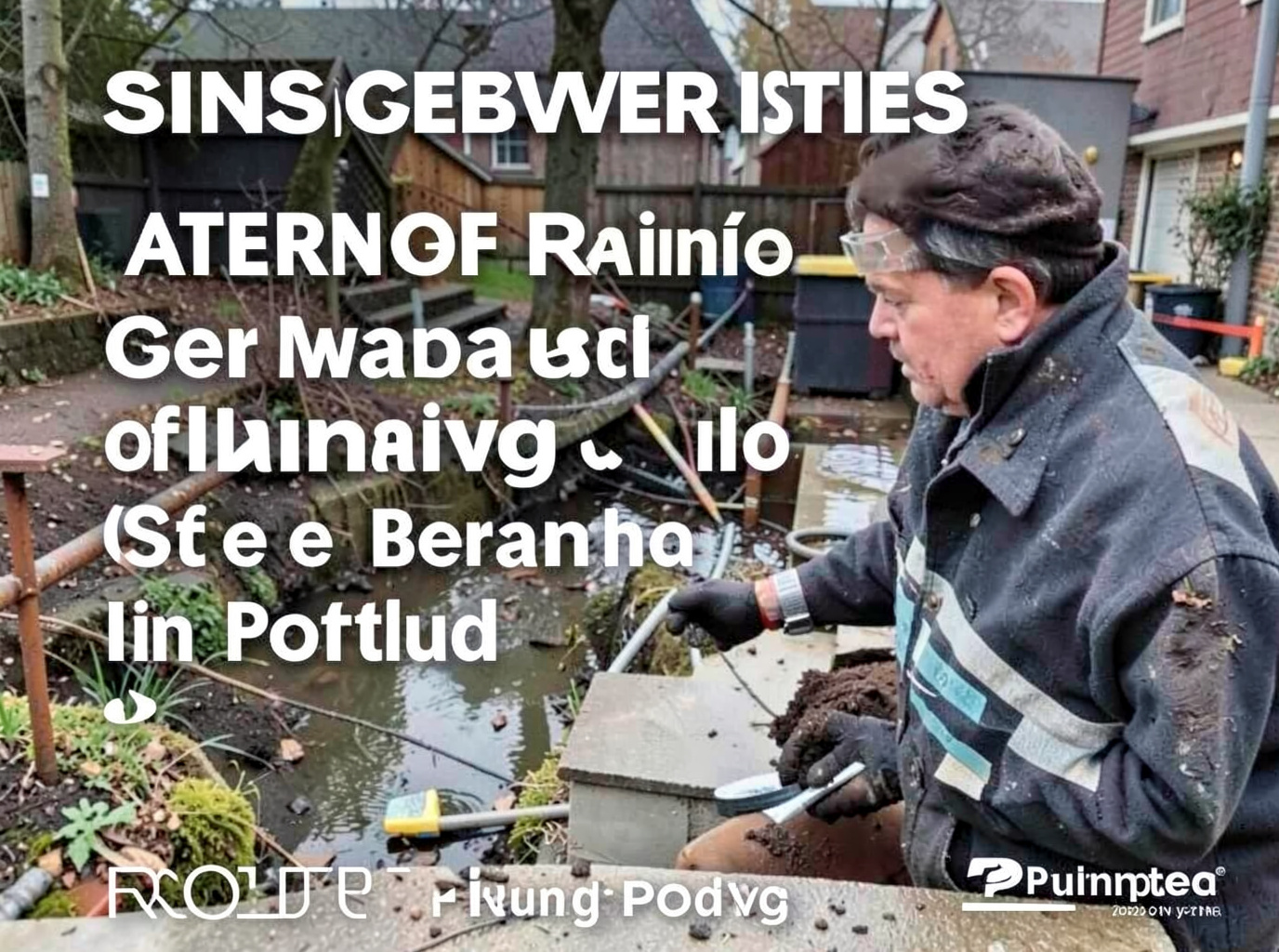
After heavy rainfall in Portland, several key signs can indicate sewer line issues, primarily due to increased water volume overwhelming the system or exacerbating existing damage. These signs often include slow drains, gurgling noises from toilets or drains, and unpleasant odors emanating from plumbing fixtures or your yard. The mild, wet winters common in Multnomah County, coupled with occasional intense downpours, mean that underground infrastructure is frequently tested. Homes in neighborhoods like the Pearl District, Hawthorne, or older parts of Sellwood-Moreland, which often feature mature trees and aging pipes, are particularly susceptible to these problems. Understanding these indicators is crucial for homeowners across Portland, from the Mississippi District to Nob Hill, to act quickly and prevent further complications.
Understanding Portland's Sewer System and Rainfall Impact
Portland's unique climate, characterized by mild, wet winters and warm, dry summers, plays a significant role in how sewer systems behave. The consistent moisture can lead to root intrusion from the abundant trees lining streets in areas like Laurelhurst and Irvington, as roots seek out water sources within pipes. When heavy rains arrive, the sheer volume of water entering the system, both directly through storm drains and indirectly through saturated ground, can overwhelm compromised lines. This excess water can push debris through weakened pipes, expose cracks, or even cause pipe sections to separate, leading to blockages and backups. The older infrastructure in many of Portland's established neighborhoods is more vulnerable to these stresses.
The city's topography, with areas ranging from the flatter Pearl District to the more sloped terrain in parts of Division-Richmond, also influences how water flows and impacts sewer lines. Gravity plays a significant role in sewer function, and any disruption, such as a partial collapse or severe blockage, can quickly lead to backups, especially when the system is under pressure from heavy rainfall. This is why a proactive approach to sewer line maintenance, including regular inspections, is vital for homeowners throughout Multnomah County, extending to nearby cities like Beaverton and Gresham.
Common Signs of Sewer Line Problems After Rain
One of the most immediate indicators of a sewer line problem after heavy rain is multiple slow drains in your home. If your sinks, showers, or tubs are draining sluggishly simultaneously, it suggests a blockage beyond a single fixture. This is particularly noticeable in older homes where cast iron or clay pipes might have deteriorated over decades. Another tell-tale sign is gurgling noises coming from toilets or drains, especially when another plumbing fixture is in use. This indicates trapped air in the sewer line, often caused by a partial blockage restricting water flow and creating suction. It's a clear warning that your main sewer line is struggling to handle the volume.
Foul odors are another strong indicator. If you smell sewage in your basement, yard, or around drains, it means wastewater is not being properly contained within the sewer system. This can be due to cracks, breaks, or backups in the line, allowing gases to escape. Furthermore, sewage backing up into low-lying drains, such as those in a basement or first-floor bathroom, is an undeniable sign of a significant sewer line blockage. This is particularly concerning as it poses a serious health risk and can cause extensive property damage. If you notice any of these signs, especially after a significant downpour, it's crucial to seek professional help for Sewer Line Repair promptly.
Exterior Indicators in Your Yard
Beyond internal plumbing issues, your yard can also reveal signs of sewer line trouble after heavy rainfall. One common indicator is unusually lush or greener patches of grass in specific areas of your lawn, often in a line. This occurs because sewage acts as a fertilizer, and if a sewer line is leaking, it will nourish the vegetation directly above it. Conversely, you might also notice indented or sunken areas in your yard, which can happen if a leaking sewer line erodes the soil beneath the surface. These depressions can become more pronounced after rain, as the saturated ground settles further.
Another critical exterior sign is standing water or puddles that don't drain away, particularly if they smell like sewage. This indicates a severe leak or complete rupture in the sewer line, allowing wastewater to surface. This is not only a nuisance but also a significant health hazard, especially in residential areas like Woodstock or Alberta Arts District where children and pets play outdoors. If you observe any of these changes in your yard after a period of heavy rain, it’s a strong signal that your sewer line needs immediate attention. Sometimes, a professional Video Pipe Inspection can pinpoint the exact location and nature of the damage without extensive digging.
The Role of Sump Pumps and Preventative Measures
While directly addressing storm runoff, sump pumps play a crucial indirect role in protecting your sewer lines, especially in areas prone to basement flooding during Portland's wet seasons. A properly functioning sump pump helps manage groundwater around your foundation, reducing the hydrostatic pressure that can exacerbate existing cracks in sewer lines or even cause new ones. If your home has a basement or crawl space, particularly in older homes in areas like Oregon City or Hillsboro, ensuring your sump pump is in good working order is a key preventative measure against water intrusion that could stress your plumbing system. Regular maintenance and ensuring proper discharge away from your foundation are essential. If you're concerned about your current setup, consider a Sump Pump Installation or inspection.