2026-10-03 ·
Maintaining Sump Pumps Before Portland's Wet Season
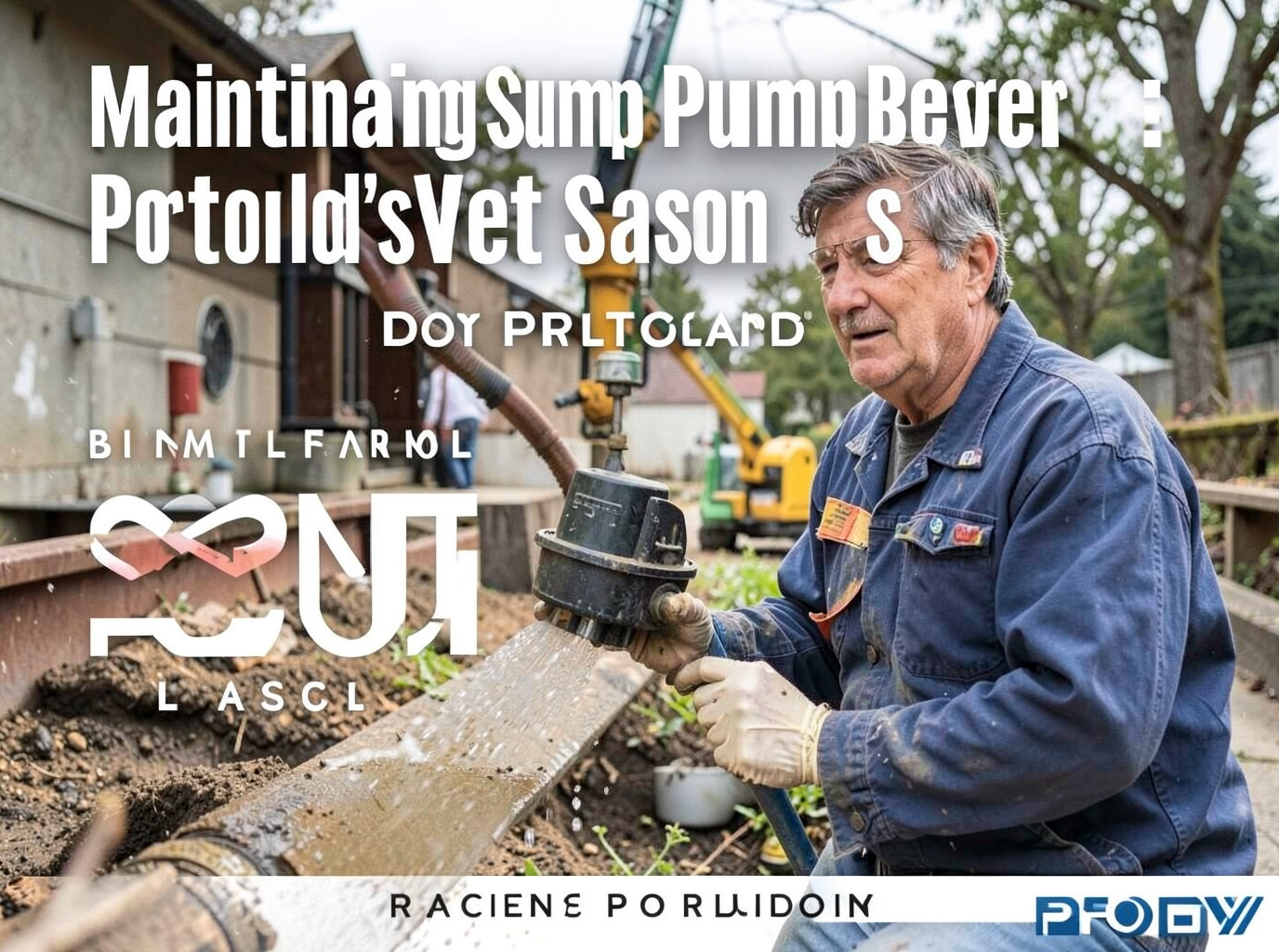
Maintaining your sump pump before Portland's wet season is not just recommended, it's essential to prevent costly water damage to your home, especially with our mild, wet winters. A properly functioning sump pump can last anywhere from 7 to 10 years, but its reliability hinges on regular checks. The best time to perform these checks is late summer or early fall, before the consistent rains begin and the ground becomes saturated. Neglecting this vital piece of equipment can lead to flooded basements in neighborhoods like Sellwood-Moreland or Division-Richmond, where older homes are more susceptible to water intrusion, resulting in significant repair expenses that often range from $3,000 to $10,000 or more depending on the extent of the damage.
Why Sump Pump Maintenance Matters in Portland
Portland's unique climate, characterized by warm, dry summers followed by mild, wet winters, creates a specific challenge for homeowners. While our summers are pleasant, the ground dries out considerably, only to be inundated with persistent rainfall once winter temperatures drop. This cycle means that when the rains do come, the soil in Multnomah County quickly becomes saturated, increasing hydrostatic pressure on foundations and leading to water seepage into basements and crawl spaces. A well-maintained sump pump acts as your first line of defense against this, actively pumping out groundwater before it can accumulate and cause damage. Without it, even a moderate rain event can turn into a major headache, particularly for homes in low-lying areas or those with clay soils common in parts of the city.
Consider the housing stock in areas like Irvington or Laurelhurst, which often feature older construction with basements that weren't originally designed to withstand modern water management challenges. These homes, while charming, are particularly vulnerable. Regular maintenance ensures that your sump pump is ready to handle the increased workload during prolonged wet periods, preventing issues like mold growth, structural damage, and the loss of personal belongings. It’s a small investment of time and effort that offers immense peace of mind.
Essential Pre-Season Sump Pump Checks
Before the autumn rains truly set in, typically around October, dedicate an hour to these crucial checks. First, visually inspect the sump pit for any debris such as dirt, gravel, or even small toys that might obstruct the float switch or impeller. Clear out anything that shouldn't be there. Next, ensure the check valve on the discharge pipe is installed correctly and functioning. This valve prevents water that's been pumped out from flowing back into the pit. Gently rock the pump to ensure it's sitting level on the bottom of the pit and not vibrating excessively, which can indicate an issue with its placement or impeller.
The most important step is to test the pump's operation. Pour a 5-gallon bucket of water into the sump pit. The pump should activate, remove the water, and then shut off automatically. Pay attention to the sound it makes; unusual noises like grinding or excessive rattling can signal a problem. Also, observe the discharge line outside your home. Ensure water is freely flowing away from your foundation, ideally at least 10 to 20 feet away, to prevent it from recirculating back into your drainage system. If your pump fails this test or shows any signs of distress, it's time to consider professional assistance.
Cleaning Your Sump Pump System
A thorough cleaning extends the life of your sump pump and ensures efficient operation. Begin by unplugging the pump from its power source to prevent accidental activation. If your pump has a pedestal design, it might be easier to clean in place. For submersible pumps, you'll need to disconnect the discharge pipe and carefully lift it out of the pit. Once out, inspect the impeller at the bottom of the pump. This is the part that moves the water. Clear any stringy debris, hair, or sediment that might be wrapped around it. A small brush can be helpful here. Neglecting a clogged impeller significantly reduces the pump's efficiency and can lead to premature motor failure.
While the pump is out, clean the sump pit itself. Remove any accumulated sludge, dirt, or debris from the bottom and sides. This prevents these materials from being drawn into the pump later. Also, check the float switch mechanism to ensure it moves freely and isn't obstructed by debris or tangled wires. A stuck float switch is a common cause of pump failure, either preventing it from turning on or causing it to run continuously. Reassemble everything, ensuring all connections are secure, and then plug the pump back in. For complex issues or if you're uncomfortable performing these steps, remember that professional help is always available for Sump Pump Installation or maintenance.
Battery Backup Systems and Alarms
Given Portland's susceptibility to winter power outages, especially during ice storms or high winds, a battery backup sump pump system is a wise investment. These systems automatically kick in if your primary pump loses power, providing crucial protection when you need it most. A typical battery backup system can run for several hours, or even days, depending on the battery size and pump usage, offering a critical buffer until power is restored. We often recommend them for homes in areas like the Pearl District or Nob Hill, where finished basements are common and the potential for damage is high.