2026-10-03 ·
Preventing Pipe Corrosion in Portland's Older Neighborhoods
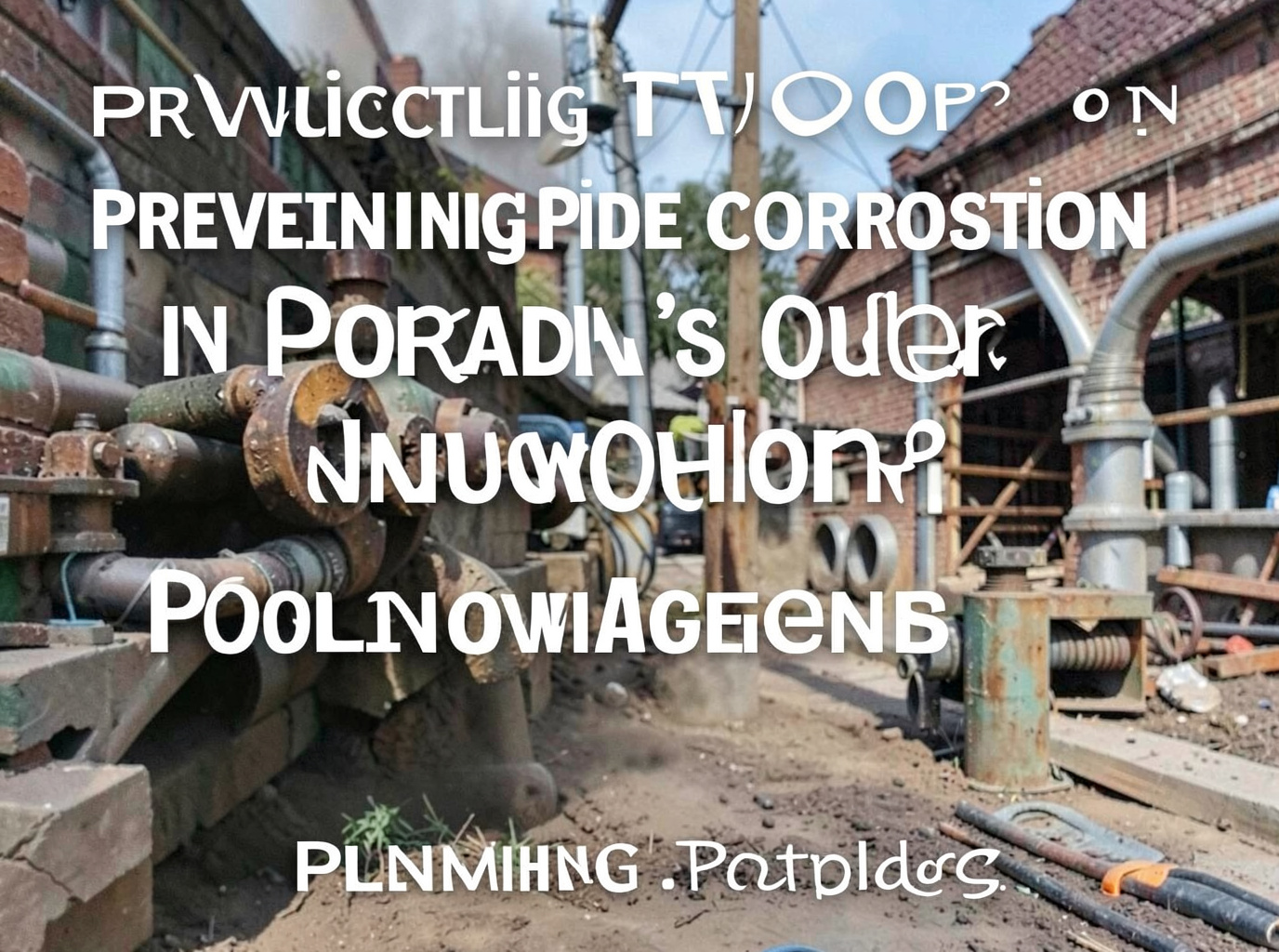
Preventing pipe corrosion in Portland's older neighborhoods, such as the Pearl District, Hawthorne, or Sellwood-Moreland, primarily involves proactive measures like regular water quality testing, installing whole-house filtration systems, and considering partial or full repiping with modern materials. The mild, wet winters and warm, dry summers, combined with the age of homes in areas like Alberta Arts District and Nob Hill, contribute to unique challenges, making pipes susceptible to various forms of corrosion. Addressing these issues early can extend the life of your plumbing system significantly, potentially delaying major interventions like a full whole house repiping for 10–20 years or more, depending on the current pipe material and condition.
Understanding Corrosion in Portland's Plumbing Systems
Corrosion in plumbing pipes is a chemical reaction that degrades metallic pipe materials over time. In Portland, several factors contribute to this process, particularly in homes built before the 1970s, which are prevalent in areas like Division-Richmond and Woodstock. The city's water chemistry, while generally safe, can be slightly acidic or contain minerals that accelerate corrosion. Older galvanized steel pipes, common in these historic homes, are especially vulnerable, as their zinc coating eventually wears away, exposing the steel to rust. Even copper pipes, often seen as a superior alternative, can suffer from pitting corrosion due to localized water conditions or electrical interactions.
The consistent moisture from our mild, wet winters, followed by the warm, dry summers, creates a cycle of expansion and contraction, which can stress pipe joints and internal surfaces, making them more susceptible to corrosive agents. Homes in Multnomah County, particularly those with original plumbing, often experience these issues. For a deeper dive into how our local water quality affects your home, you might find our article on Understanding Portland Water Quality and Fixture Stains particularly helpful.
Common Types of Corrosion Affecting Portland Pipes
Homeowners in neighborhoods like Laurelhurst and Irvington might encounter several types of corrosion. Galvanic corrosion occurs when two dissimilar metals are in contact within an electrolyte (like water), leading to the faster degradation of one metal. This is common where copper pipes were connected directly to galvanized steel without a dielectric union. Pitting corrosion is highly localized and can create small holes in pipes, often seen in copper. This can be caused by stagnant water, high chloride levels, or certain bacteria. Uniform corrosion is a more general thinning of the pipe material, which is typical for galvanized pipes as their protective zinc layer erodes.
Another less common but significant issue is microbiologically influenced corrosion (MIC), where microorganisms in the water create an environment conducive to corrosion. While less frequent, it can be particularly destructive. Identifying the type of corrosion is crucial for effective prevention and repair. A professional video pipe inspection can often reveal the extent and nature of corrosion without invasive methods, providing a clear picture of your system's health.
Proactive Measures for Corrosion Prevention
Implementing preventative strategies can significantly extend the life of your plumbing. For homes with older piping, especially in areas like the Mississippi District, consider installing a whole house filtration system. These systems can remove sediments, chlorine, and other chemicals that contribute to pipe degradation, effectively treating all water entering your home. Regular maintenance of these filters is key to their effectiveness.
Another critical step is to monitor your water's pH balance. If your water is consistently acidic, installing an acid neutralizer can help. This system raises the pH of the water, making it less corrosive to your pipes. Additionally, ensuring proper electrical grounding for your plumbing system can prevent stray electrical currents from accelerating galvanic corrosion. For specific issues like pinhole leaks, prompt pipe repair is essential to prevent further damage and potential water waste.
When to Consider Repiping or Targeted Replacements
While preventative measures are important, there comes a point when the existing pipes are too compromised, especially in very old homes near landmarks like Powell's City of Books or Washington Park. If you're experiencing frequent leaks, discolored water, or consistently low water pressure, it might be time to consider partial or full repiping. Replacing old galvanized pipes with PEX or copper can be a significant investment, ranging from $4,000 to $15,000 for a typical Portland home, but it provides a long-term solution, offering 50+ years of reliable service.