2026-10-03 ·
Maintaining Septic Systems in Outer Portland Suburbs
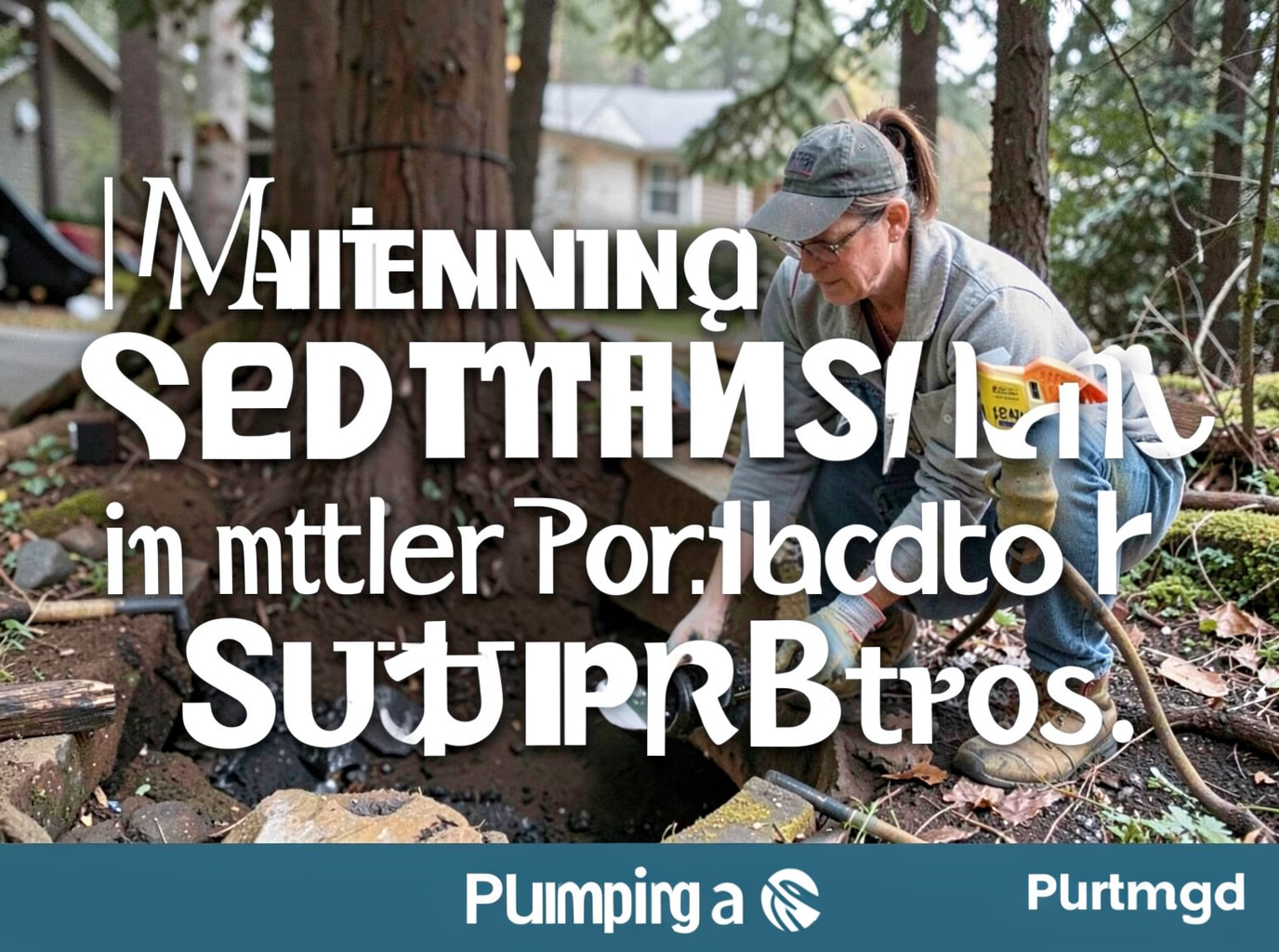
Maintaining septic systems in outer Portland suburbs is crucial, and typically involves pumping every 3–5 years for a household of 4, depending on tank size and usage. This regular maintenance helps prevent premature system failure, which can cost anywhere from $5,000 to over $20,000 for repairs or replacement. Unlike homes in the Pearl District or Hawthorne that are connected to municipal sewers, properties in areas like Beaverton, Gresham, and Oregon City often rely on septic systems, especially those built before widespread urban development. The mild, wet winters and occasional heat waves in Multnomah County can impact soil absorption and system function, making proactive care even more important.
Understanding Your Septic System
A septic system is an underground wastewater treatment structure, commonly used in rural areas and the older, less densely populated parts of the Portland metro area. It consists of a septic tank and a drain field. Wastewater flows from your home into the septic tank, where solids settle to the bottom, forming sludge, and lighter materials like grease and oil float to the top, forming scum. Naturally occurring bacteria break down organic matter in the tank. The liquid effluent then flows into the drain field, a series of trenches with perforated pipes, where it's absorbed into the soil. Understanding this basic process is the first step toward effective maintenance, especially for homeowners unfamiliar with septic systems after moving from a city core like the Mississippi District.
The lifespan of a well-maintained septic system can range from 20 to 40 years, but neglect can significantly shorten this. Factors such as soil type, system design, and household water usage all play a role. For instance, the clay-rich soils found in some parts of Hillsboro can drain differently than the more porous soils elsewhere, affecting the drain field's efficiency. Our team provides expert <a href="/services/septic-tank-pumping">Septic Tank Pumping</a> services to ensure your system continues to operate effectively, preventing backups and costly environmental damage.
Regular Pumping and Inspections
Regular pumping is the cornerstone of septic system maintenance. As mentioned, a typical household should have their tank pumped every 3–5 years. However, smaller tanks, larger households, or the use of garbage disposals can necessitate more frequent pumping, perhaps every 1–2 years. Ignoring this can lead to an accumulation of sludge and scum that overflows into the drain field, clogging it and causing system failure. This is particularly critical in areas like Sellwood-Moreland where older homes might have original, smaller septic tanks.
Beyond pumping, annual inspections are highly recommended. A professional inspection can identify potential issues before they become major problems. During an inspection, the technician will check the sludge and scum layers, inspect the tank for cracks, assess the condition of the inlet and outlet baffles, and examine the drain field for signs of saturation or failure. These inspections are vital for catching early warning signs, especially given Portland's wet climate, which can exacerbate drain field issues if not properly managed. Early detection can save homeowners thousands of dollars in emergency repairs.
What Not to Flush or Pour
What goes down your drains directly impacts your septic system's health. Avoid flushing anything other than human waste and toilet paper. Items like feminine hygiene products, wet wipes (even those labeled "flushable"), paper towels, dental floss, and cat litter do not break down in the septic tank and can quickly lead to clogs and system overload. Similarly, avoid pouring harsh chemicals, excessive amounts of grease, oil, or fat down the drain. Grease solidifies and contributes to the scum layer, while chemicals can kill the beneficial bacteria essential for breaking down waste in the tank. This is a common issue we see in homes across Multnomah County, from Woodstock to Irvington.
Even seemingly innocuous items like coffee grounds or excessive food scraps from a garbage disposal can overwhelm a septic system. If you have a garbage disposal, consider composting food waste instead, or at least minimize its use. The bacteria in your septic tank are delicate, and preserving their health is paramount for the system's longevity. For homes in the outer suburbs that rely on well water, proper septic function is also critical for protecting your drinking water source, making careful waste disposal a community responsibility as well.
Water Conservation and Drain Field Care
Reducing your household water usage directly lessens the load on your septic system. Every gallon of water saved is a gallon less that needs to be treated and absorbed by your drain field. Simple changes like fixing leaky faucets and toilets, taking shorter showers, running full loads of laundry and dishes, and installing low-flow fixtures can make a significant difference. For example, a running toilet can waste hundreds of gallons a day, severely taxing your septic system. If you notice persistent leaks, our <a href="/services/leak-detection">Leak Detection</a> services can pinpoint the source and prevent unnecessary strain on your septic system.