2026-10-03 ·
How to Clear Bathroom Sink Clogs Without Damaging Pipes
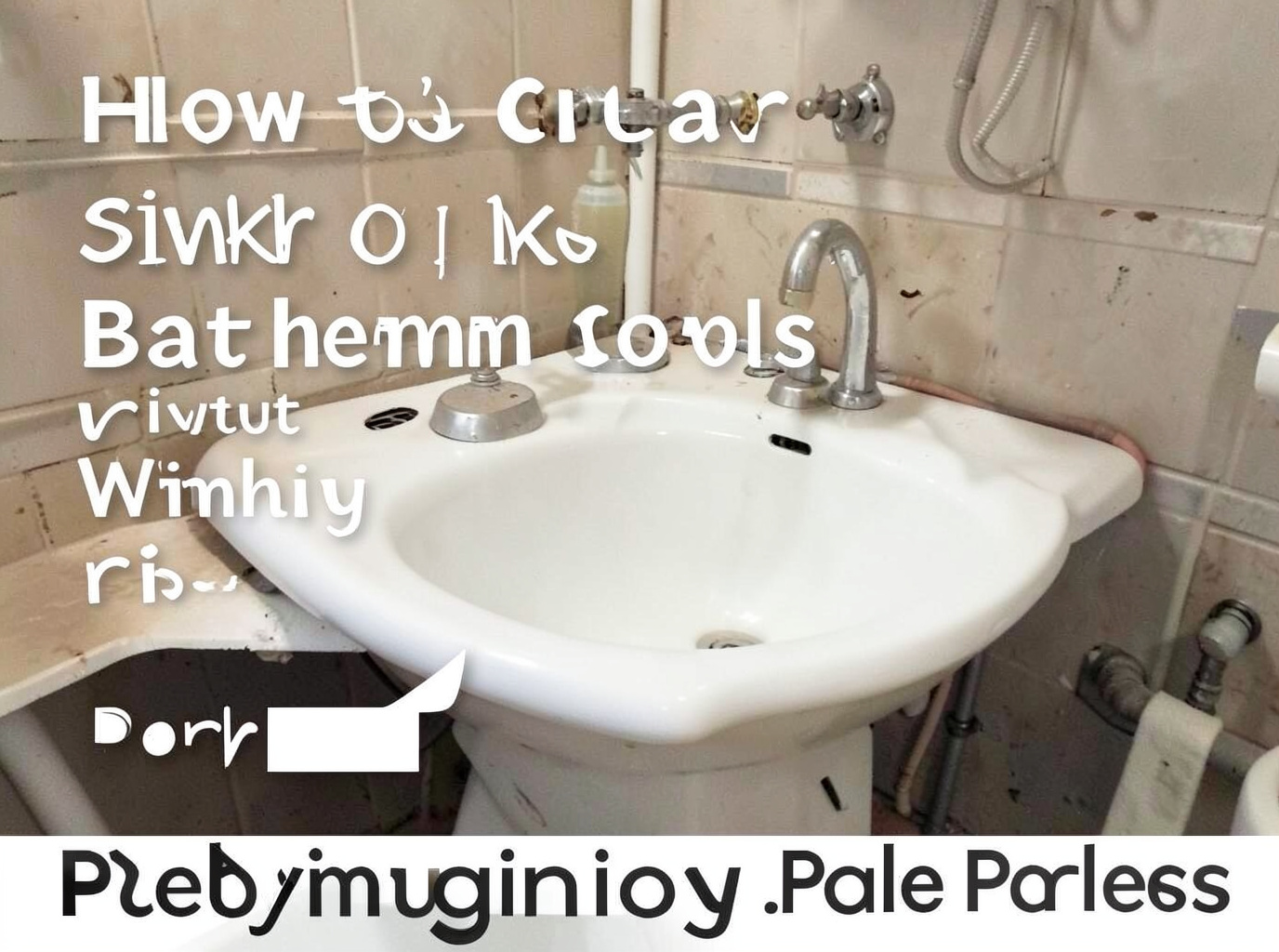
To clear bathroom sink clogs without damaging pipes, start with non-corrosive, mechanical methods such as removing the pop-up stopper and cleaning it, using a pair of needle-nose pliers or a zip-it tool to extract hair and debris, or employing a small plumbing snake for deeper blockages. Avoid chemical drain cleaners, especially in older Portland homes, as these can corrode pipes, particularly the galvanized steel or cast iron commonly found in historic neighborhoods like the Pearl District or Laurelhurst. Our mild, wet winters and warm, dry summers mean residents are frequently using their plumbing, and understanding these gentle, effective methods can save you from costly repairs down the line.
Understanding Common Bathroom Sink Clogs in Portland
Bathroom sink clogs in homes across Multnomah County, from the charming bungalows of Sellwood-Moreland to the modern apartments in the Mississippi District, are predominantly caused by a combination of hair, soap scum, toothpaste, and sometimes small foreign objects. Hair is particularly problematic because it intertwines with soap residue, forming a sticky, resilient mass that adheres to pipe walls. Unlike kitchen drains, which often deal with grease and food particles, bathroom drains face a different set of challenges. The narrow diameter of many sink P-traps and drain lines, especially in older homes around Irvington or Nob Hill, makes them highly susceptible to these accumulations. Over time, even a small buildup can significantly restrict water flow, leading to slow drains and eventually a complete blockage. Recognizing the composition of these clogs is the first step in choosing the most effective and least damaging removal method.
The Dangers of Chemical Drain Cleaners
While seemingly convenient, chemical drain cleaners pose significant risks to your plumbing system, especially in Portland's diverse housing stock. These products often contain harsh chemicals like lye or sulfuric acid, which generate heat to dissolve clogs. However, this heat can soften PVC pipes, crack porcelain fixtures, and accelerate corrosion in older metal pipes, including the cast iron and galvanized steel found in many homes near Washington Park or Division-Richmond. Furthermore, if the chemical doesn't clear the clog completely, it sits in the pipe, creating a hazardous situation for anyone attempting to clear the drain manually later. The fumes are also toxic, and accidental contact can cause severe burns. For these reasons, we strongly advise against their use. Instead, focus on mechanical solutions that tackle the clog directly without compromising your pipes' integrity.
Simple DIY Methods for Clearing Clogs
Before reaching for any tools, the simplest method involves removing and cleaning the pop-up stopper. Most bathroom sink stoppers can be unscrewed or lifted out. You'll often find a significant amount of hair and grime wrapped around the stopper post. Use an old rag or paper towel to wipe it clean, then rinse it thoroughly before reinserting. If the clog persists, a zip-it tool (a barbed plastic strip) or a pair of needle-nose pliers can be incredibly effective. Carefully insert the tool down the drain opening, past the pop-up assembly, and twist or maneuver it to hook onto the hair and debris. Slowly pull it out, and you'll often be surprised by the amount of gunk it extracts. This method is gentle on pipes and highly efficient for hair-related clogs.
Tackling Deeper Clogs with a Plumbing Snake
For clogs located deeper within the drain line or in the P-trap, a small hand-crank plumbing snake (also known as a drain auger) is an invaluable tool. These can be purchased for around $20–$50 at most hardware stores. To use it, you'll first need to place a bucket under the P-trap to catch any water, then remove the P-trap itself (the U-shaped pipe directly under the sink). This provides direct access to the drain line. Carefully feed the snake into the pipe, rotating the handle as you push it forward. When you feel resistance, you've likely hit the clog. Continue to turn the handle, pushing and pulling slightly, to break up or hook onto the blockage. Once the clog is cleared, slowly retract the snake, clean off any debris, and reassemble the P-trap. Remember to test the drain thoroughly with water afterward. If you're dealing with persistent drain issues, especially with multiple fixtures, it might indicate a larger problem requiring professional <a href="/services/drain-cleaning">drain cleaning</a>.
When to Call a Professional Plumber
While many clogs can be resolved with DIY methods, there are times when calling a professional plumber is the safest and most cost-effective option. If you've tried the above methods and the clog remains, or if you notice slow drainage in multiple fixtures (like a sink and a shower), it could indicate a more serious blockage further down your main drain line. For instance, in areas like Alberta Arts District or Woodstock, where homes can be older, tree roots can sometimes infiltrate sewer lines, causing significant backups. Attempting to clear these complex clogs yourself can lead to pipe damage or even burst pipes. A professional plumber has specialized tools like <a href="/services/video-pipe-inspection">video pipe inspection</a> cameras to accurately locate the problem and <a href="/services/hydro-jetting">hydro jetting</a> equipment to clear stubborn blockages safely and effectively. We are available Monday to Friday from 8am to 6pm, and Saturday from 9am to 2pm for all your plumbing needs in Portland and surrounding areas like Beaverton or Gresham.