2026-10-03 ·
Dealing with Slow Drains in Portland Rental Properties
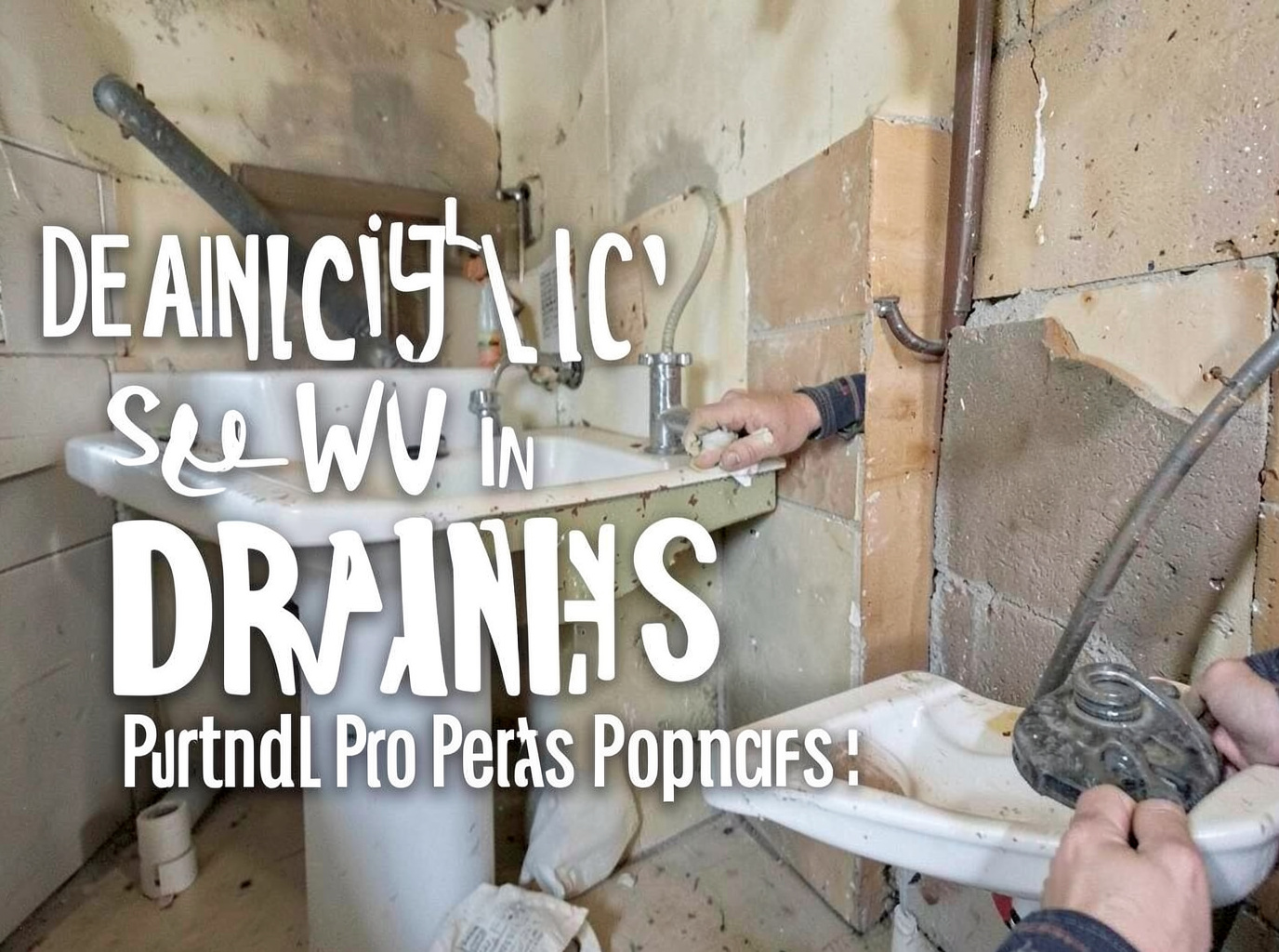
Dealing with slow drains in Portland rental properties requires a proactive approach from both tenants and landlords, as the causes can range from simple tenant-induced blockages to more complex issues related to the building's infrastructure. While minor clogs can often be resolved with basic plungers or enzymatic cleaners, persistent or recurring slow drains, especially in older homes found in neighborhoods like the Pearl District or Sellwood-Moreland, typically indicate a deeper problem that necessitates professional intervention. Ignoring these early warning signs can lead to complete blockages, water damage, and costly emergency repairs, particularly given Portland's mild, wet winters which can exacerbate existing plumbing vulnerabilities. Understanding the typical culprits and appropriate responses is key to maintaining a healthy plumbing system and avoiding unexpected expenses in Multnomah County.
Common Causes of Slow Drains in Portland Rentals
Portland's diverse housing stock, from historic homes in Irvington and Laurelhurst to newer developments, means plumbing systems vary widely in age and material, contributing to different types of drain issues. One of the most frequent culprits, particularly in kitchen sinks, is the accumulation of grease and food particles. Even with garbage disposals, fats solidify in pipes, gradually constricting flow. In bathrooms, hair and soap scum are the primary offenders, forming stubborn clogs in showers and bathroom sinks. Beyond tenant habits, the age of the plumbing system itself plays a significant role. Older galvanized pipes, common in many of Portland's established neighborhoods, are prone to internal corrosion and mineral buildup, which naturally restricts water flow over time. Tree roots, especially from mature trees prevalent in areas like Woodstock and Nob Hill, can also infiltrate sewer lines, causing slow drainage and eventual backups. Understanding these common causes is the first step in effective troubleshooting and prevention.
Tenant Responsibilities and First Steps
Tenants have a crucial role in preventing slow drains and addressing minor issues promptly. Their primary responsibility is to avoid introducing substances that commonly cause clogs. This includes refraining from pouring cooking grease down the drain, using drain screens in showers and sinks to catch hair, and properly disposing of food scraps. For minor clogs, tenants can often resolve the issue themselves using a plunger. A properly used plunger can create enough pressure to dislodge many common blockages. Enzymatic drain cleaners, which use biological agents to break down organic matter, can also be a safe and effective first step, particularly when used regularly as a preventative measure. However, tenants should avoid chemical drain cleaners, as these can damage pipes, especially older ones, and pose health risks. If these initial steps don't resolve the slow drain, or if the problem is recurrent, it's time to notify the landlord or property manager.
When to Call a Professional Plumber
While tenants can handle superficial clogs, certain situations demand the expertise of a professional plumber. If a slow drain persists after basic plunging or enzymatic treatments, it signals a more significant blockage deeper within the system. Multiple slow drains throughout the property, such as a sluggish kitchen sink and a slow-draining shower, often indicate a main sewer line issue, which can be particularly problematic in older Portland homes. Foul odors emanating from drains, gurgling sounds, or sewage backing up into fixtures are all red flags that require immediate professional attention. A plumber can utilize specialized tools like video pipe inspection to accurately diagnose the problem, whether it's a stubborn clog, a broken pipe, or root intrusion, without guesswork. This precise diagnosis is essential for effective and lasting repairs, saving property owners from repeated call-outs and potential damage. We're available Monday–Friday 8am–6pm and Saturday 9am–2pm to address these issues promptly. Learn more about our specialized services at [/services/drain-cleaning].
Preventing Future Drain Issues in Rental Properties
Proactive measures are far more cost-effective than reactive repairs. Landlords can implement a preventative maintenance schedule, including regular inspections of plumbing systems, particularly in older properties in neighborhoods like Alberta Arts District or Mississippi District. This can involve routine <a href="/services/video-pipe-inspection">video pipe inspections</a> to identify potential problems before they escalate, especially in homes with mature trees where <a href="/services/root-removal-from-sewer">root removal from sewer</a> might be necessary. Providing tenants with clear guidelines on drain care and disposal of waste can significantly reduce tenant-induced clogs. Installing drain screens in all sinks and showers is a simple, inexpensive step that dramatically reduces hair and soap scum buildup. For properties with recurring issues, a professional <a href="/services/hydro-jetting">hydro jetting</a> service can thoroughly clean pipes, removing years of accumulated sludge and mineral deposits, offering a long-term solution to slow drains. Educating tenants and investing in preventative maintenance are key to minimizing plumbing headaches in your Portland rental properties.
Addressing Age-Related Plumbing Challenges
Many rental properties in Portland, especially those built before the 1970s in areas like Division-Richmond or Laurelhurst, feature plumbing systems that are nearing or have exceeded their expected lifespan. Cast iron and galvanized steel pipes, common in these older structures, are highly susceptible to corrosion, rust, and mineral buildup. This internal deterioration naturally narrows the pipe's diameter, leading to perpetually slow drains even without significant blockages. The mild, wet winters in Portland can also contribute to pipe corrosion and degradation over time. In these cases, simply clearing a clog offers only a temporary fix. Landlords should consider a long-term solution such as <a href="/services/whole-house-repiping">whole house repiping</a>, especially if multiple drains are consistently slow or if there's evidence of leaks or low water pressure. While an upfront investment, repiping can prevent costly water damage, improve water flow, and increase the property's value and tenant satisfaction. This is a critical consideration for maintaining older rental units in Multnomah County.